The primary school pupil card, in the parents’ Apple Wallet or Google Wallet
At a primary school, the childcare supervisor at half past five must know which children are signed up for after-school care, and the list changes every term. A primary school pupil card on the parent’s phone shows the child’s name, the service they are enrolled in and the date it runs to, and can be scanned at the gate.
No sign-up or credit card · your test card in 1 minute
 M-10482
What the pupil card shows parents and staff
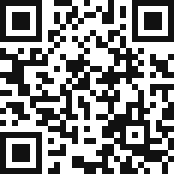
The card carries the school’s name and colours, the pupil’s name, a number, the type of card and its validity. Types are set by the school, for example Pupil at €0 for every child and Childcare at €60 for those enrolled in the paid service. Since young children have no phone, the card is sent to the parents’ email address and kept in their Wallet. When a child joins childcare mid-year, the card is updated by itself. A supervisor checks it by scanning the QR code with a phone.
| Example plan | Example amount |
|---|---|
| Pupil | Free |
| Childcare | €60 |
Example plans and amounts from the “Pupil card” template: you change the names, the amounts and the validity period. MPass does not collect these amounts. On the back of the card you write your own text, for example: Nursery · Primary · Childcare · After-school.
Three real situations
Pick-up from after-school care
The supervisor may not know every grandparent or childminder. The adult shows the child’s card on their phone; it confirms the child is enrolled for childcare this term. Your own rules on who may collect a child still apply in full.
Tickets for the school fair
For the fair on the playground or the school dinner, the parents’ committee shares a ticket link. Families arrive with a QR code, and the volunteers at the gate scan instead of ticking names on a wet sheet of paper.
A new school year in September
Classes change and so do the enrolments for childcare. Cards that are extended show the new school year; the others reach their end date, so last year’s childcare card cannot be used by mistake.
How it works: 3 steps
Open the “Primary school” template
It is already set up for this activity: “Pupil card” as the title, example plans, colours. Add your logo and your own text in ten minutes.
Add your members
One by one, through a sign-up link each person fills in, or by Excel import on the Pro plan. Everyone receives their card by email or by link.
Scan with your phone
The card goes into Apple Wallet or Google Wallet in one tap. To check it, you scan its QR code with your own phone, with no hardware to buy.
Example: a primary school of 240 pupils
Take a village school with 240 pupils from nursery to the last primary year, 70 of whom use paid childcare. The secretary has the class lists in a spreadsheet and imports them in one go on the Pro plan at €49 excl. VAT per month. Parents receive each child’s card by email. Childcare fees are billed by the school as before, and the 70 cards concerned are switched to the Childcare type. For the school fair, the parents’ committee creates around 250 tickets and scans them at the gate.
Tickets for your events too
The same app creates tickets for your events, for example “School fair” or “Open day”. You share a link, each guest gets a ticket with a QR code in their Wallet, and you scan at the door. MPass does not collect the ticket price: you take it as you always have. See event ticketing.
What it costs
Free up to 50 active cards or tickets, with no time limit. The Essential plan (€19 a month excluding VAT, up to 300 cards) adds renewal reminders and certificates. The Pro plan (€49 a month excluding VAT) adds Excel import. No commitment, and a 14-day trial of the paid plans with no credit card.
Frequently asked questions
Is a photo of the child required?
No. MPass does not require an identity photo. The card works with the pupil’s name, the type of card, a number and the validity. Schools that prefer not to circulate pictures of children can use it as it is.
Does scanning the card record when a child arrives or leaves?
No. MPass does not keep an attendance register or the timestamps needed to bill childcare by the quarter hour. The scan tells the supervisor that the card is valid. If you bill by time spent, keep your present way of noting it.
Who receives the card when parents live apart?
The card is sent by email and also has a link you can share. You decide who receives it, according to the school’s file: one parent, both, or the person who usually does the school run. MPass does not decide who may collect a child.
Does MPass collect membership fees?
No. You enter the amounts for information only. Your members pay the club as usual (bank transfer, in person) and you activate their card in MPass. No payment goes through the app.
Do we need to install an app?
No. You manage everything from your browser, and your members install nothing: the card goes straight into Apple Wallet (iPhone) or Google Wallet (Android), which are already on their phone.
Other activities
Secondary school
A pupil card pupils really carry, and tickets for the final-year ball.
College & university
Student and staff cards for the academic year, sent by email before term.
Language school
Student cards by course and term for language schools and conversation tables.
Music & arts academy
Pupil cards for music, dance and arts academies, and recital tickets.
Holiday camps & playschemes
A camp card per child on the parents’ phone, checked at drop-off.
All activities
The full list of card templates, grouped by type of organisation.